Ongoing projects

CaIFF

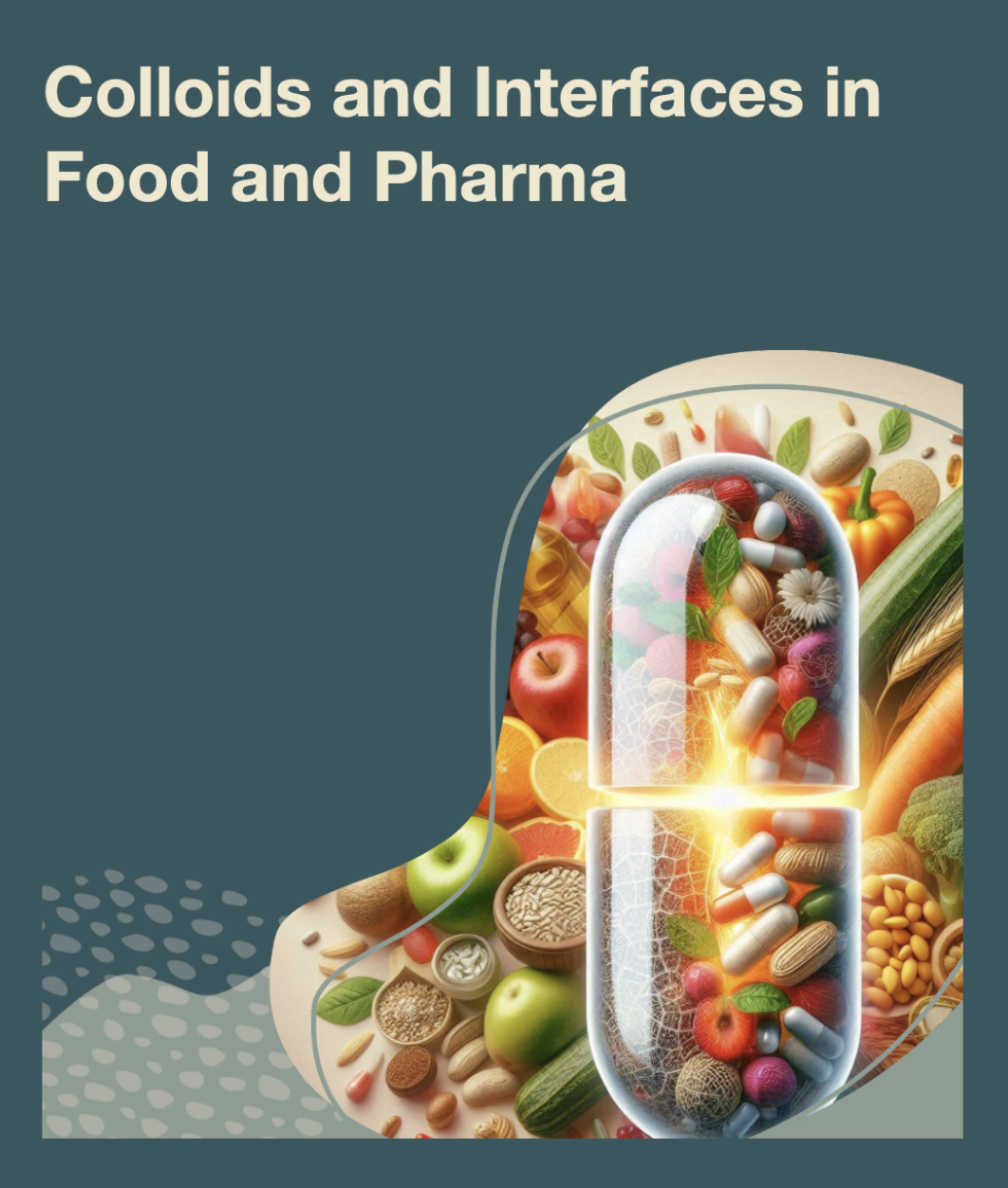
Together with Profs. Martin Malmsten and Jan Skov Pedersen I am a co-PI of the new ESS Lighthouse CaIFF: Colloids and Interfaces in Food and Pharma, funded by the Danish Ministry of Higher Education and Science. CaIFF will be a 10-year centre aiming to exploit the European Spallation Source for groundbreaking new science in food and pharma.

Main collaborators: M. Malmsten (KU-FARMA) and Jan Skov Pedersen (Aarhus University)
BIOMEM

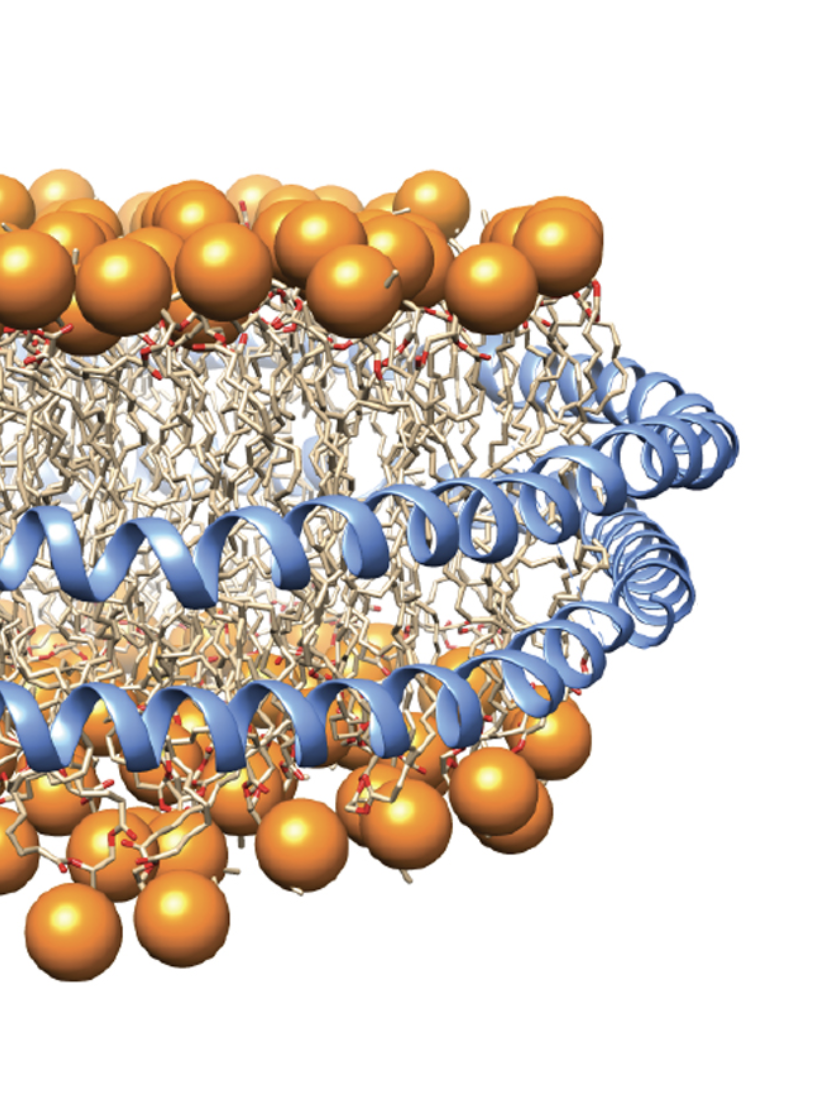
This ERC-funded PATHFINDER project aims to develop highly selective filtration membranes capable of transporting specific molecules through existing or bio-engineered membrane protein transporters. Initially the aim is a proof-of-concept experiment to extract complex high-value oligosaccharides from bulk biomass and phosphate from wastewater. Our group leads a work package on structural characterisation, mainly using X-ray and neutron scattering.

Main collaborators: Aquaporin, A.H. Larsen (NBI) and A. Goddard, R. Bill, A. Rothnie, P. Durham and M. Derry (Aston University, UK)

ABC-STAR

This NNF-funded NERD project is anchored with Prof. K. Almdal at DTU and focuses on the self-assembly of ABC miktoarm star block copolymers. As shown by previous work in our group, these molecules form a range of complex phases. We are now investigating, experimentally and theoretically, the role of so-called ‘conformational asymmetry’ as a new control parameter which might favour, for example, the formation of quasicrystals. We lead the theory effort using molecular simulations, self-consistent field theory and various theoretical considerations.

Main collaborators: K. Almdal (DTU, Denmark), M. C. Pedersen and M. Joseph (NBI) and G. Schröder-Turk (Murdoch University, Australia)

PEAS

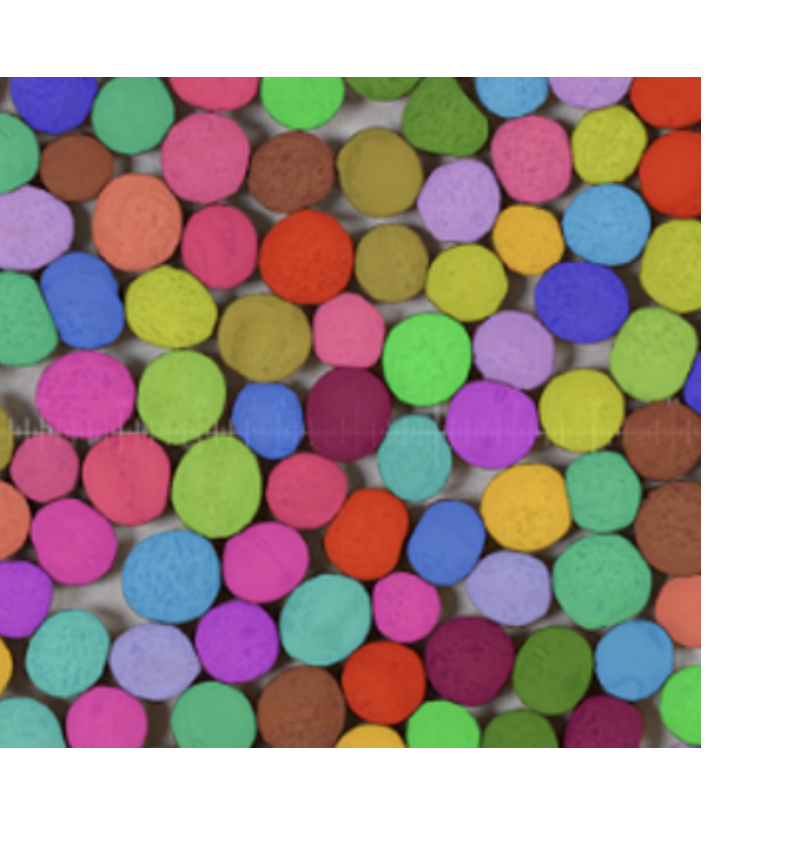
The PEAS project, headed by R. Lametsch at KU-FOOD, will use the genetic variation in the more than 2,400 pea accessions in the Nordic genebank to select pea seeds with an optimal protein composition of albumins, globulins and individual proteins (e.g. legumins and vicilins) for adding gelling functionality to plant-based foods. We contribute structural studies of selected pea accessions and their structural properties during gelation. Beyond PEAS we work on related questions with several other researchers locally and nationally.

Main collaborators: R. Lametsch and José Bonilla (KU FOOD)

ACCESS

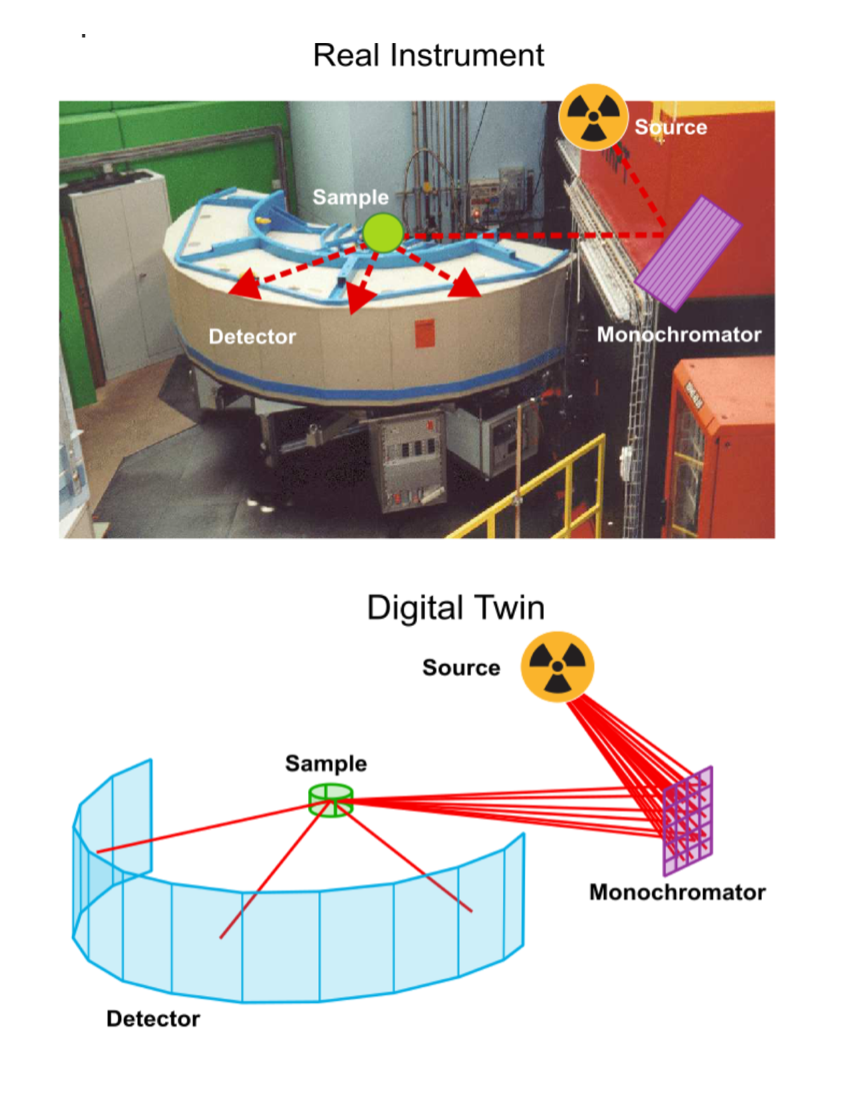
This NNF-funded PREPARE project, “ACCESS: Augmenting the STEM classroom by ESS digital twins”, uses virtual instrument simulations as a new educational tool to prepare users for experiments at the European Spallation Source.

Main collaborators: L.T. Kuhn (DTU, Denmark), J. Bruun and K. Lefmann (UCPH)

Hyperbolic order in curved materials

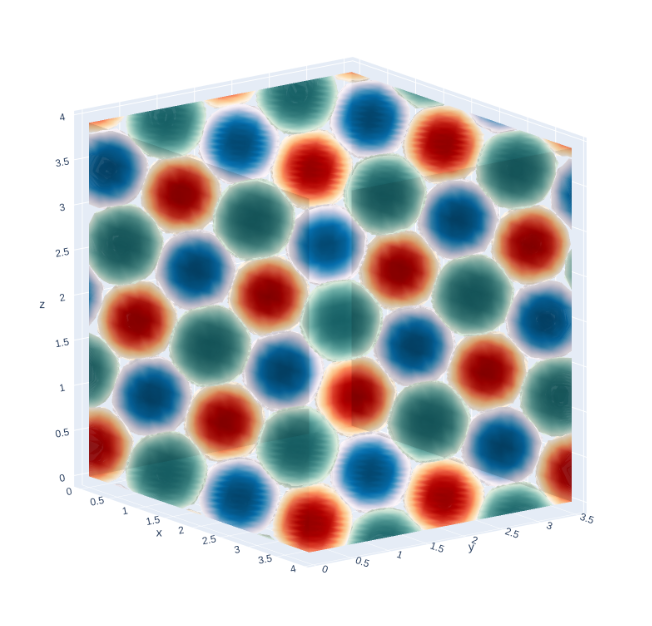
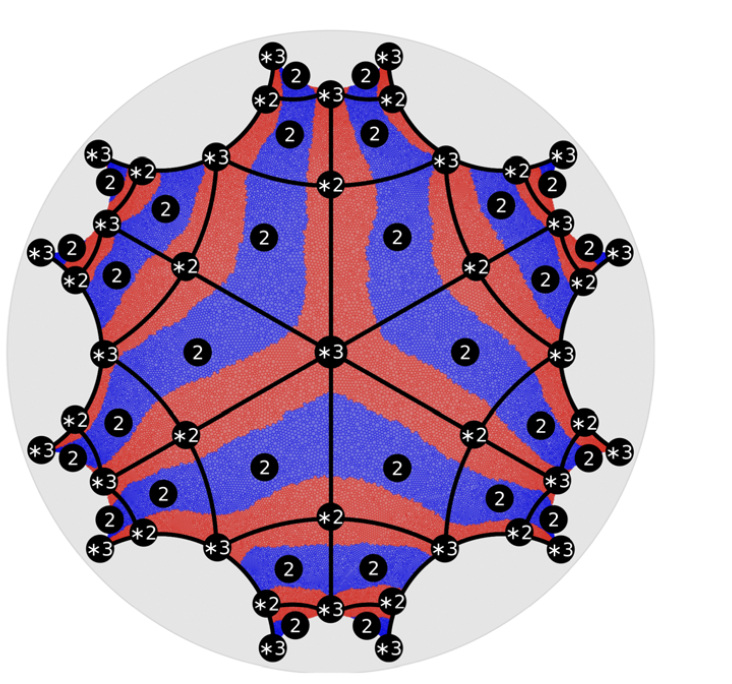
We study self-assembly of various block copolymers on hyperbolic surfaces to understand the role of negative curvature in pattern formation, and the link to patterns in the hyperbolic plane. For this we have developed new software to ‘map’ seamlessly between 2D curved and 3D Euclidean space.

Main collaborators: M. C. Pedersen (NBI) and S. Hyde (Australia)

Structure and dynamics of photosynthetic membranes

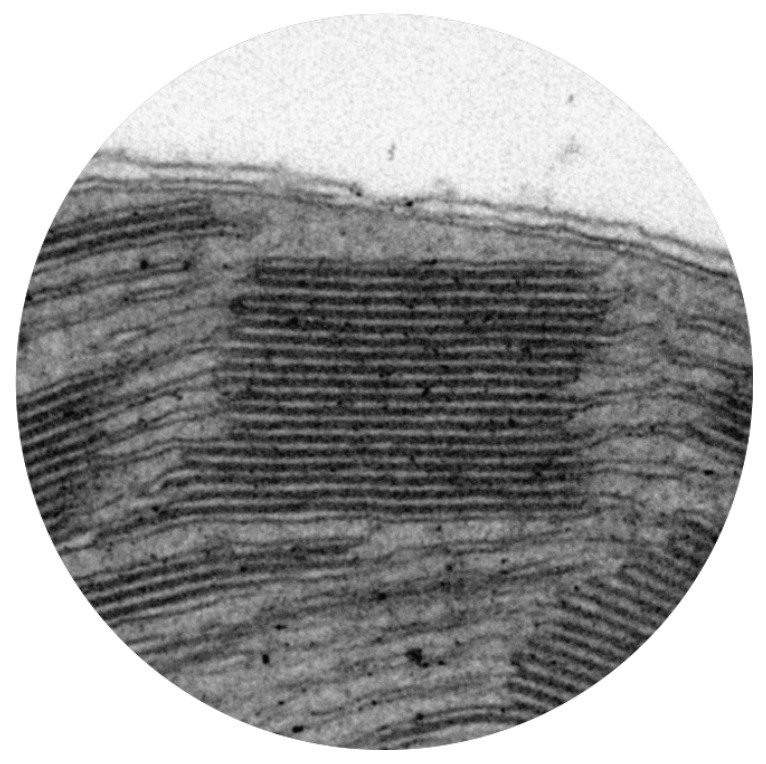
We study different aspects of the structure and dynamics of photosynthetic membranes, for example illumination-induced membrane remodelling, to understand how such large-scale structural transitions help regulate photosynthesis.

Main collaborators: Ł. Kowalewska (Warsaw University)

AF4-SAXS

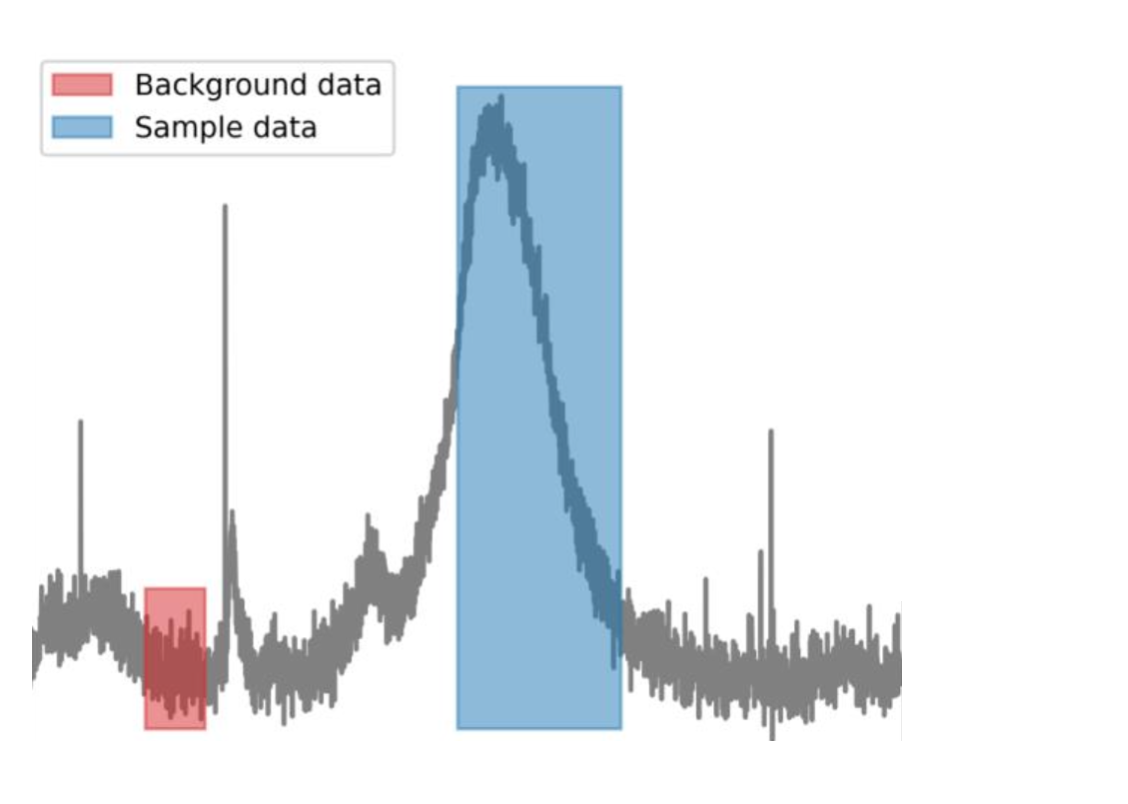
We collaborate with Prof. Lars Nilsson’s group at Lund University on the analysis of combined AF4-SAXS data. AF4 (asymmetric flow field-flow fractionation) is a versatile fractionation method; together with the MAX IV CoSAXS beamline a range of experiments have been run, and we are helping develop a data analysis pipeline. One example is a range of milk-based systems.

Main collaborators: L. Nilsson and H. Bolinsson (Lund University), M. C. Pedersen (NBI)

Digestion and structure in milk and plant emulsions

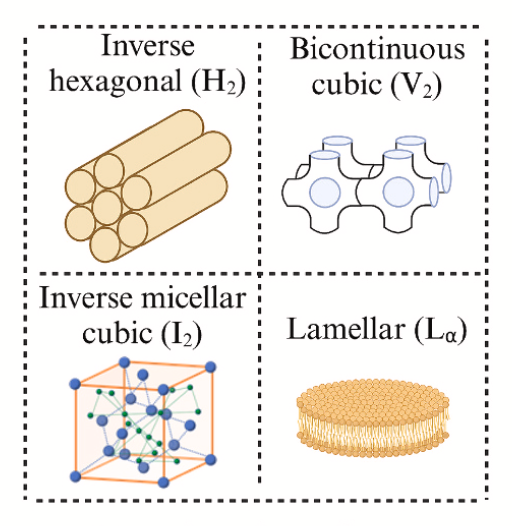
Using milk and plant lipids as initial substrates, we aim to develop a deep understanding of how structure evolves in dairy-related foods during digestion. Calcium plays a critical yet ill-defined role here, so part of the programme focuses on linking calcium concentration and disposition with structural transformations. X-ray scattering is the main structural tool, in in-situ digestion experiments with synchrotron SAXS.

Main collaborators: B. Boyd (Monash University) and Arla